

2·
4 hours agoI believe you’ll need a reader of some sort if you want to get the Pi running and you can’t SSH into it in its current state.
Rekall is a company that provides memory implants of vacations, where a client can take a memory trip to a certain planet and be whoever they desire.
I believe you’ll need a reader of some sort if you want to get the Pi running and you can’t SSH into it in its current state.
Try DietPi (Debian based ARM distro). It has an excellent set of custom CLI tools. They’ve been around for over a decade and have an active community and release cadence.
They even support Raspberry Pi 1/2 (I started with Pi 3 though):

Got to disagree with you on that one. It was universally true for the move from ASP/H263 to AVC/H264. It’s not the case with H264 to H265 on a universal basis.
You can forget about such results if you’re dealing with grain (and preserving it). Things are a bit better with “complex” content (oceans, snow storms etc), but you’ll be struggling to get 50% space savings (more so with pre 2005 content).
The general bitrate level is also a massive factor.
Low bitrates, sure, even more than 50%. But you’ll be still be dealing with artifacts.
Medium to high bitrates (i.e. targeting a “near transparent” encode), you often won’t be able to replicate a H264 encode at 12 Mbps (1080p 24 FPS) with a 6 Mbps H265 encode. Sometimes it works, but often it doesn’t; I find you often need to go with 9-10 Mbps.
Haven’t tried H266/VVC. For AV1 the x4 increase in encode times didn’t seem to be worth it at high bitrates. Although for low bitrates AV1 seems to be modestly better than H265 (for far worse encore times).
This is all for CPU encodes at the “VerySlow” preset (1/2 for AV1 if I remember correctly).
I will speculate you will never see this with a Qualcomm platform (I am aware that you technically can run Linux on some X Elite devices).

Has there even been regime change in Venezuela? It looks like the current regime will stay, but they’ll have to give Trump and his oligarchs a cut (perhaps a large one).
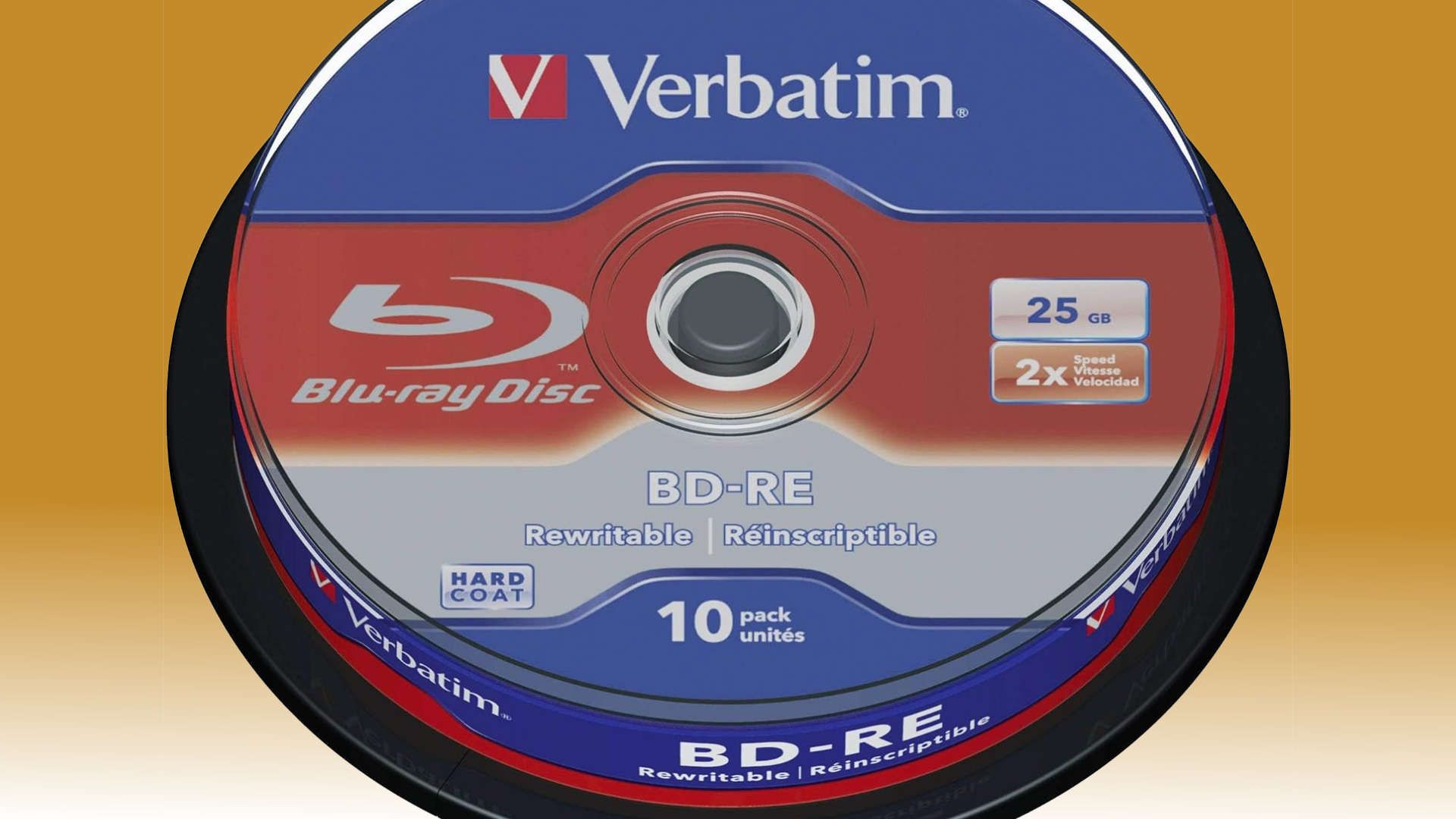
Video compression has its limits. A modern BD release has a bit/pixel value of around 0.5 - 0.7, while streaming copies are around 0.1 - 0.2. You’re going to lose detail even if you use AV1 or H265.
Then you also have the problem that certain content (naval/oceanic scenes, storms, jungles) doesn’t compress as well.
IMO we are also starting to see lower “returns” with every new codec generation. MPEG4 ASP (Xvid) to H264/AVC was a massive jump. H264 to H265 (or even AV1) was IMO a much smaller jump.
That was my initial reaction as well! :/
I am really glad I bought a 3080 back in late 2020. It looks like I will be using for a few more years. Thankfully I am not really GPU bound in gaming (I play mostly strategy games) or my encoding/video upscaling hobby (all done on CPU for best possible quality to size ratio).
FYI, this about circular OLED displays, I didn’t get it till the 2nd or 3rd paragraph.
We’ll see how this impacts performance. Qualcomm rarely beats Apple’s A series.
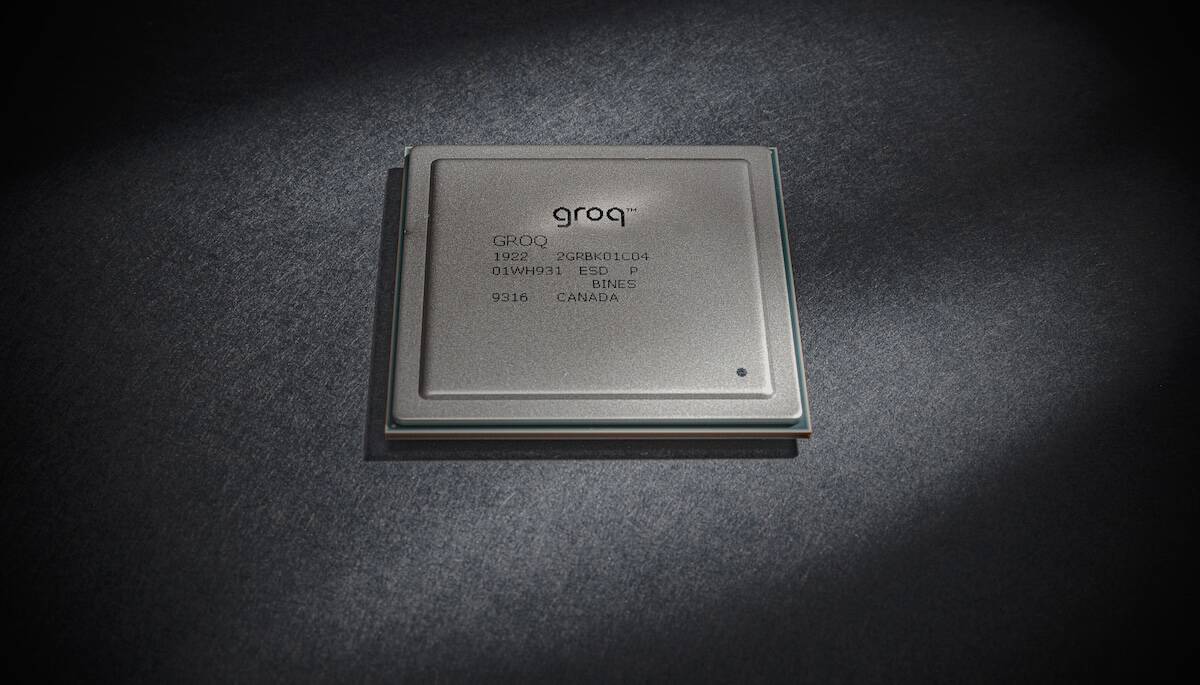
Ok that makes more sense, I knew SRAM is relatively costly in terms of power consumption, but the 23 KW seemed like a lot for 40 GM of SRAM.
The use of SRAM as an alternative to HBM/DRAM is news for me.
You can get around this by building a bigger chip – each of Cerebras’ WSE-3 wafers features more than 40 GB of SRAM on board, but these chips are the size of a dinner plate and consume 23 kilowatts. Anyway, Groq hasn’t gone this route.
That is insane electricity usage for 40 GB of memory.
To be fair, I think it’s to be expected that this speculation on their part (the clickbait headline notwithstanding).

I believe they have a port of Firefox (an older version).

Not surprising at all.
US will remain a chauvinistic plutocracy until Zuckerberg and all his goons are caught and put in ball and chains.
And that’s just one case, there is also Meta’s enablement of the Rohingya genocide, which is arguably a far more serious crime than systematic enablement of mass scale fraud.
I would add some screenshots of your application.
Not Shotcut user, but I am surprised they didn’t support 10-bit CPU editing, it basically means you be very limited in your ability to work with x265/H265 or even AV1.
This opened a market for TV-connected thin clients that could browse the web with a much lower entry fee, with the WebTV service being launched in 1996. Bought by Microsoft in 1997 and renamed MSN TV, it lasted until 2013
It lasted until 2013?

Looking forward to checking it out, I mostly use the windows desktops client, but updates on all platforms are great!













Macroslurp